According to most sources, Buckeye grew up as the oilfield business increased. It was named for the Buckeye Sheep Ranch which was located in the area. At various times, it included a grocery store, as many as two gas stations, a cafe, welding shops, a hardware store and post office. (1)
In addition to the ranches, primarily the Lee, Eidson and Scharbauer ranches, there were a number of production camps including Phillips and Texaco, a large gasoline plant built by Phillips along with housing. The area also included a school at one time, and a Baptist church.
The church was called Buckeye Baptist Church. Members recall that it was built on land donated by the Scarbauer family. Construction was out of concrete blocks. It sat off the road behind and to the west of the intersection where the buildings in the photos were located. There was also a parsonage nearby. When Phillips Petroleum decided to sell and remove the houses at the gasoline plant and the production camp, the church disbanded and was demolished by members and the land reverted back to the ranch owners.
Two of the ministers at Buckeye Baptist Church were Earl E. Morris, probably in the late 1940s and George Hudgens, mentioned in the 1950s. Morris left to take a position at a church at Air Base City. Hudgens may have been one of the last ministers to serve there before the church disbanded. No photos exist of the church, as far as we know.
David L. Minton’s Buckeye Photos
Buckeye Related Pages from the 1940 Federal Census
More images of Buckeye as it probably looked in the 1950s and 1960s:


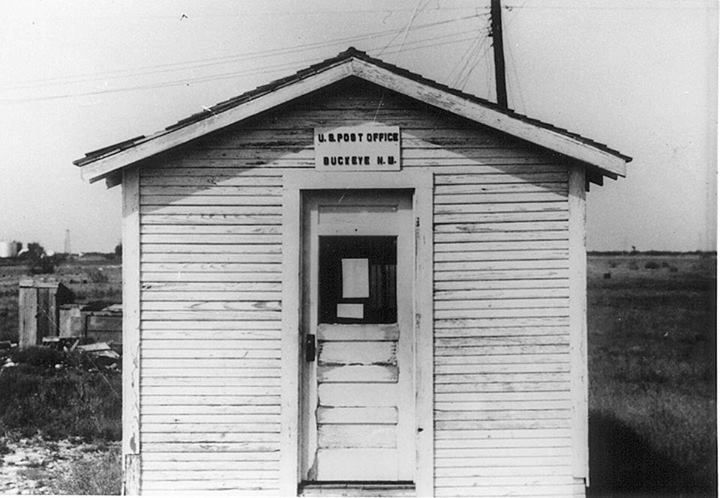
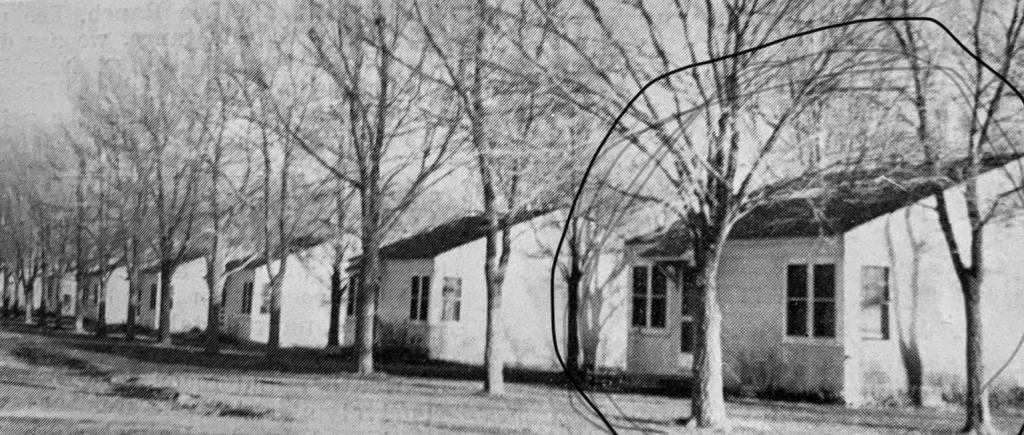
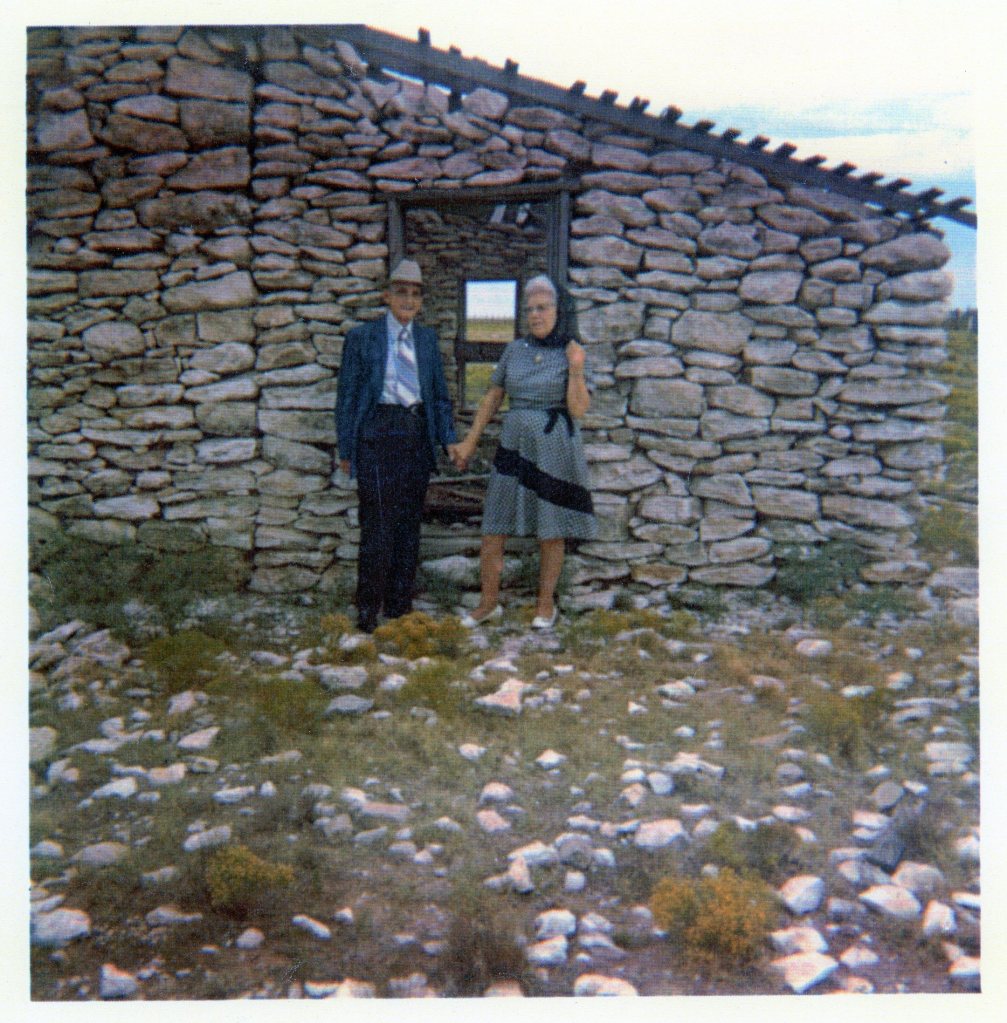
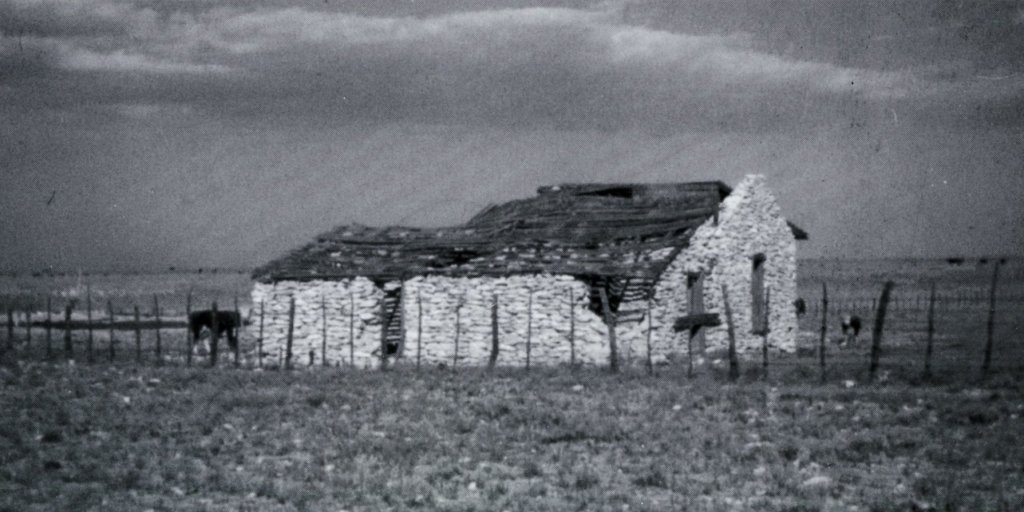
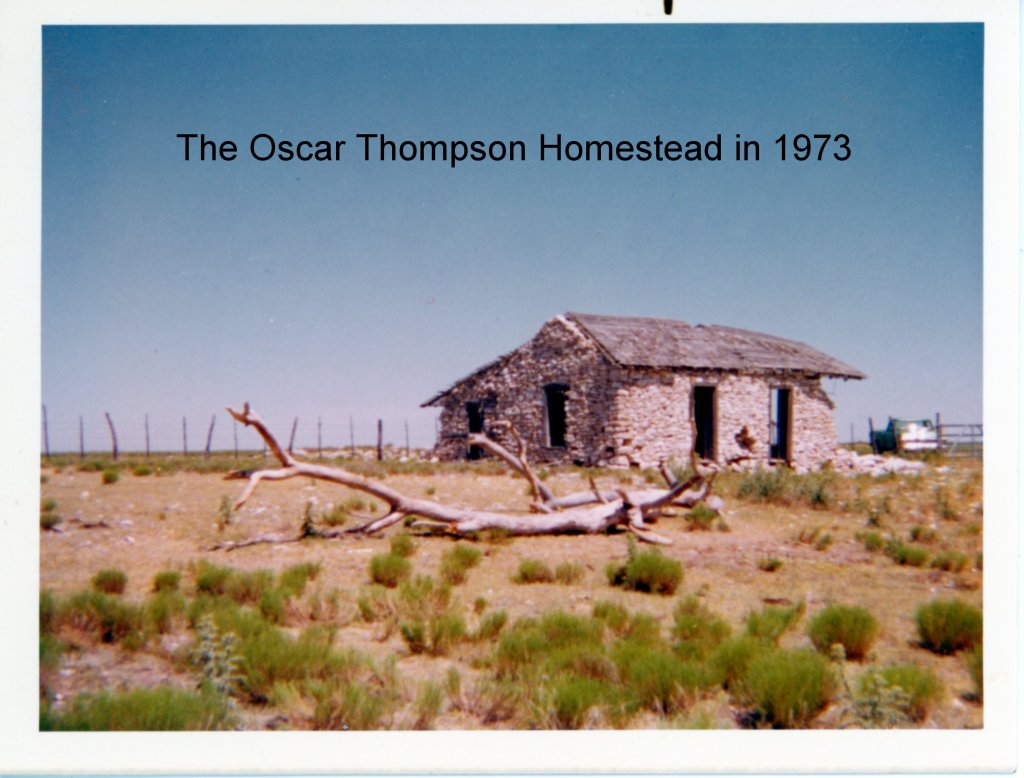
The old rock house of Oscar Thompson that was located roughly halfway between Buckeye and Lovington. Images above are courtesy of David L. Minton. While it stood, it was the oldest structure in the Buckeye area for many years. It was probably built around 1920 but has since been demolished.
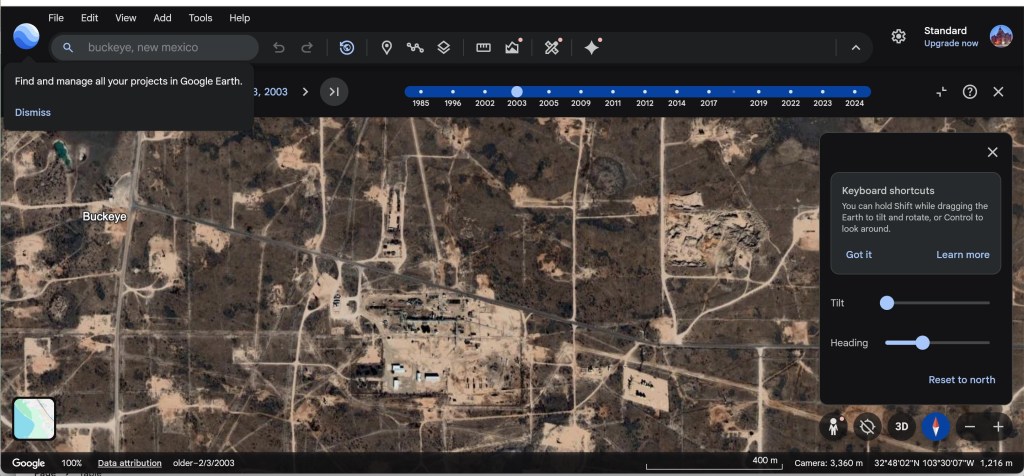
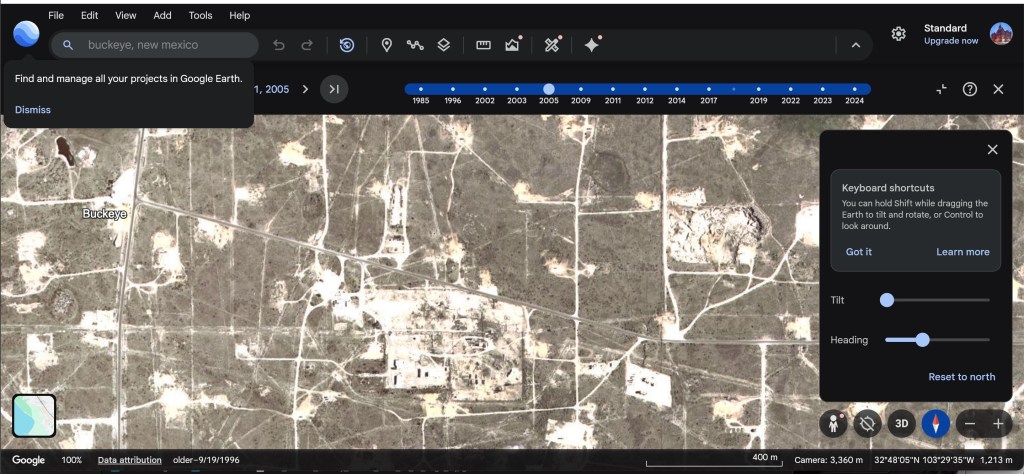
Other locations around Buckeye
(1) Lynn C. Mauldin, Lea County New Mexico, A Pictorial History, The Donning Company, 1997.
 Old Lea County, N.M.